
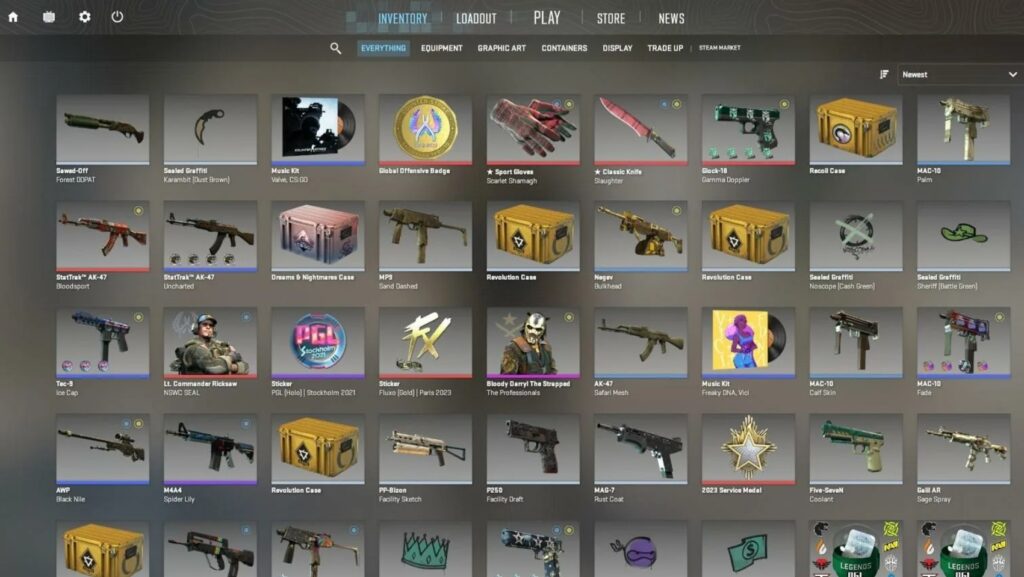
Most players have no idea what their inventory is actually worth, and that ignorance costs them real money. A collection built over years can quietly grow into a four-figure sum without the owner noticing. Without a system for tracking value, you can’t make informed decisions about what to hold, sell, or buy. This article explains why inventory valuation matters and how to build a simple routine around it.
The core problem is that item prices change constantly across multiple platforms. A skin worth fifty dollars on one marketplace might sell for forty on another due to fees or regional demand. If you only check one source, you’re working with an incomplete picture. Proper valuation means cross-referencing several platforms and averaging the results. This takes minutes once you have a routine, but it prevents costly mistakes.
Valuation also reveals which parts of your inventory are actually working for you. Many players discover that a handful of items make up most of their portfolio value, while dozens of others contribute almost nothing. Those low-value items still take up space and attention, and often they’re better sold than held. Identifying dead weight is one of the fastest ways to free up capital. You can then reinvest that capital into higher-liquidity positions.
Tracking changes over time is where valuation becomes genuinely powerful. A single snapshot tells you what you own today, but a history shows you trends and patterns. You start to notice which items appreciate steadily and which ones spike and crash. This historical context turns guesswork into strategy. Without it, you’re always reacting instead of planning.
Liquidity should always be part of your valuation, not a separate concern. An item valued at a hundred dollars that takes three months to sell is worth less in practice than one valued at eighty that sells in a day. Adjusting for liquidity gives you a realistic picture of your true purchasing power. Traders who ignore this often find themselves asset-rich but cash-poor. Realistic valuation keeps you honest about what you can actually do.
Building a valuation habit takes less effort than most people expect. A simple spreadsheet updated weekly, combined with a price-checking tool, covers ninety percent of the work. The remaining ten percent is discipline, which comes naturally once you see the results. Over time, this habit compounds into better decisions across every trade you make. Your inventory stops being a mystery and becomes a managed asset.