
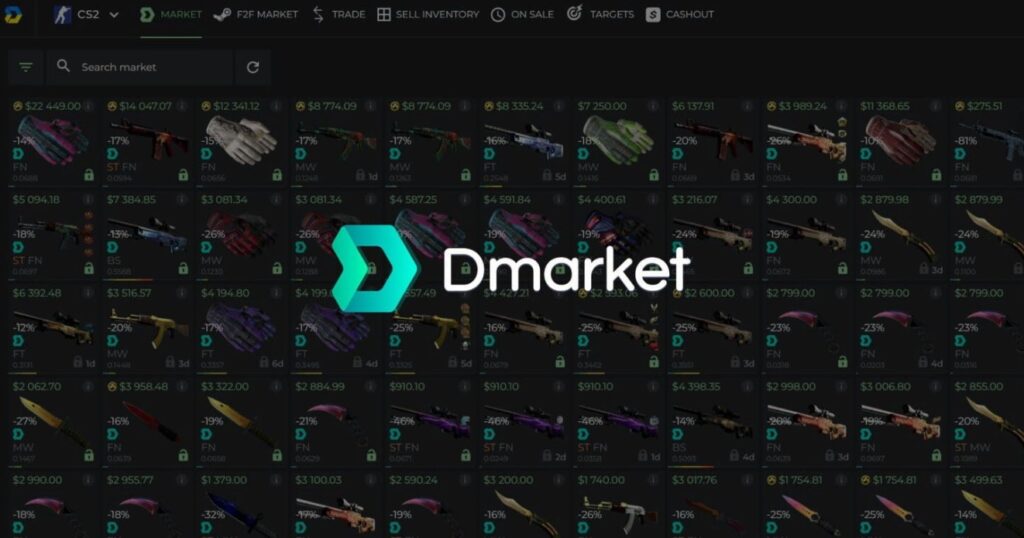
Skiomatic Trace provides an independent overview of DMarket, a marketplace for digital gaming items. This article explores its trading features, pricing mechanisms, market liquidity, and considerations for CS2 and Steam item traders. Whether searching for DMarket, d market, or dmarkety, readers can explore the same marketplace through an informational perspective, without claims of official affiliation.
Trading activity on DMarket provides useful context for understanding digital item markets. Listing prices, buyer demand, trading fees, and historical sales information can help explain how skin values change over time. Our editorial analysis examines these market principles and the factors that influence pricing across CS2, Dota 2, Rust, and TF2. The discussion is based on market concepts and publicly available information rather than proprietary real-time monitoring algorithms.
Understanding Key DMarket Trading Metrics
• Average Spread: The difference between an item's asking price and available purchase offers is an important factor in marketplace trading. On DMarket, spreads may vary across CS2 categories such as Gloves, AWP, Knives, and AK-47 skins. Wider spreads can reflect differences in demand, trading activity, item rarity, and the willingness of buyers and sellers to agree on a price.
• Market Liquidity: Liquidity describes how easily an item may be sold without accepting a substantial price reduction. On DMarket, commonly traded CS2 skins may have different liquidity characteristics from rare knives or other high-tier items. Buyer activity, order-book depth, and recent transactions are useful factors to consider when evaluating how actively an item trades.
• Price Discrepancies: Item prices may differ between Steam Community Market and DMarket because of marketplace fees, buyer demand, available supply, and withdrawal conditions. Comparing similar listings can help explain these differences, although asking prices do not always reflect completed transactions. Understanding these factors is useful when researching CS2, Team Fortress 2, and Rust skin markets.
Why DMarket Data Matters
The DMarket marketplace supports trading across several gaming ecosystems, including Counter-Strike 2, Team Fortress 2, Rust, and Dota 2. Its marketplace features, payment options, trading fees, and API capabilities are relevant topics for understanding digital item trading. Conditions can vary depending on the game, transaction type, and region. Skiomatic Trace examines these features from an independent editorial perspective, explaining how market activity, pricing differences, and liquidity can influence trading decisions.
When researching d market activity, it is important to distinguish trading volume from liquidity. Volume describes how many items change hands during a particular period, while liquidity concerns how easily an item can be sold near its current market price. Even actively traded skins may experience price differences when buyer demand changes or available offers become limited. These concepts help explain market behavior on DMarket and similar gaming-item marketplaces.
Independent, Educational, Transparent
Skiomatic Trace operates as an independent informational resource focused on gaming-item markets. Our DMarket coverage explains marketplace features, trading spreads, liquidity, pricing differences, and relevant risks through educational articles. We are not affiliated with or endorsed by DMarket. References to DMarket, d market, and dmarkety are provided in the context of independent market research and editorial commentary.